
Thimphu
- Bhutan
- 1 itinerary

The Capital Without a Traffic Light
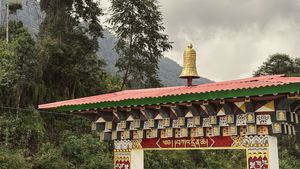
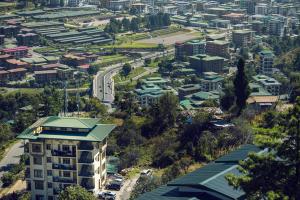
The world's most unique capital city, Thimphu is where traditional Bhutanese architecture meets a modernizing spirit. It is famously the only national capital in the world without traffic lights, where traffic is instead directed by white-gloves police officers with balletic grace.
Despite its growing modernity—with cafes and nightclubs appearing—the city retains a strong cultural identity. Monks use smartphones, and traditional dress is worn to the office, creating a fascinating blend of the old and the new.
Curated Perspectives
True luxury lies in the meaning we find beneath the surface. Our curators identify the essential threads that weave a location’s identity, providing a structured framework for your exploration. We don’t just show you a place; we reveal the themes that define its soul.
History
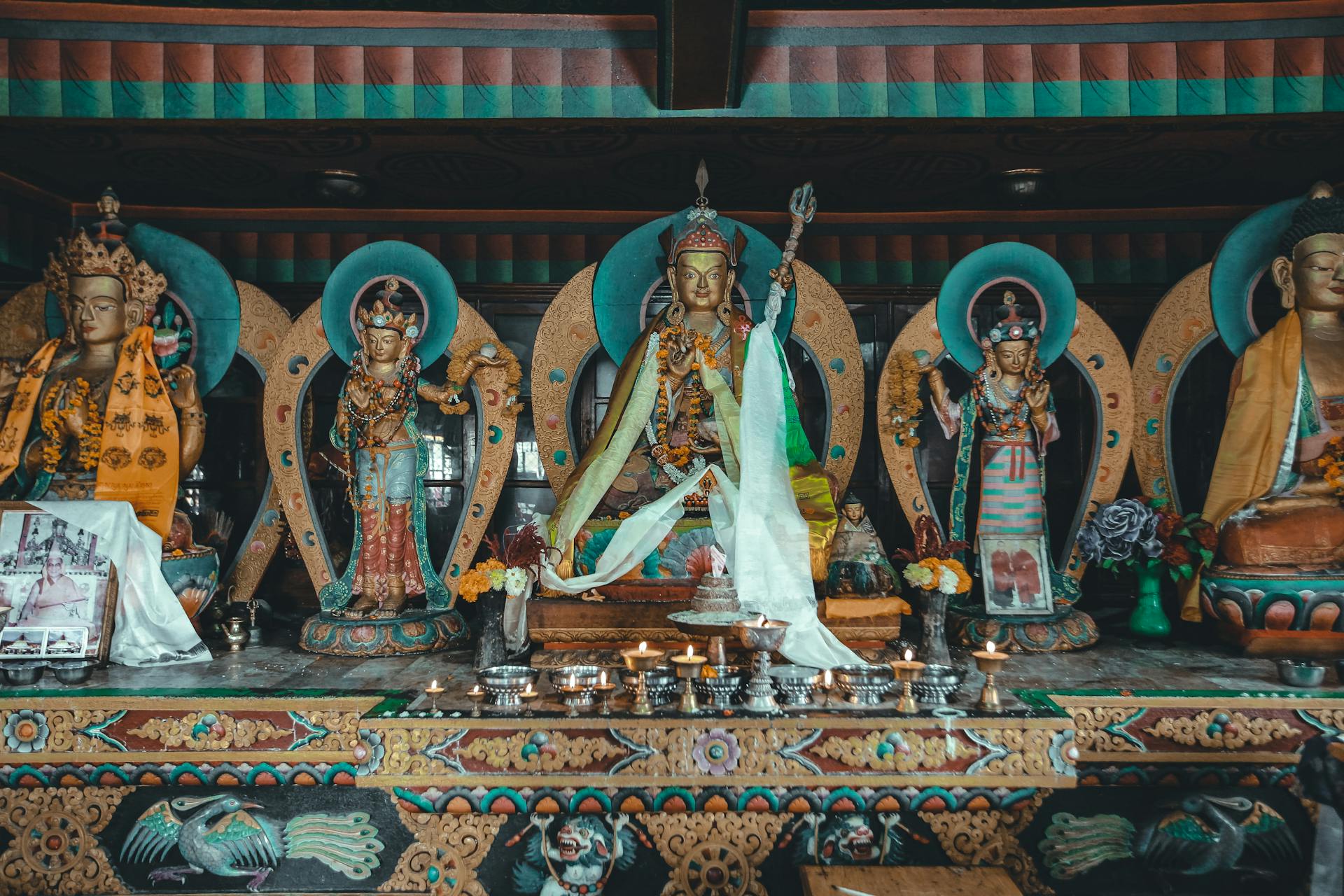
Spiritual
Art & Architecture
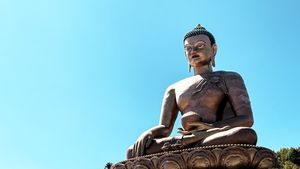
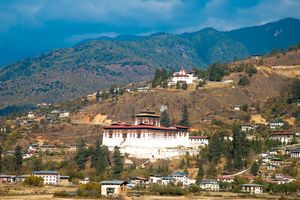
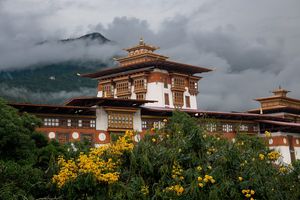
The Sights
The iconic silhouettes that anchor the local horizon.
The Moments
The unscripted grace found in the rituals of the everyday.
The Flavors
An aromatic heritage told through ancestral culinary craft.

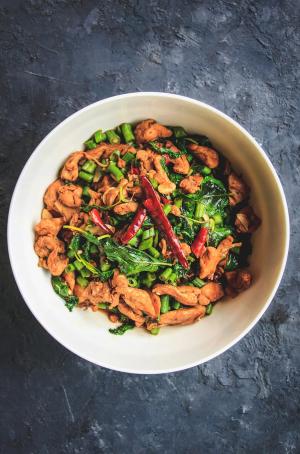
Jasha Maroo
A chili-forward minced chicken stew that is especially popular in Thimphu's home-style eateries.

Shamu Datshi
Mushrooms stewed with local cheese and chilies, a comforting urban-seasonal staple in the capital.

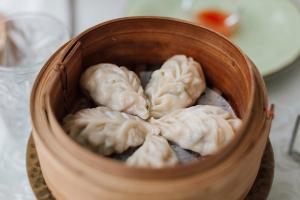
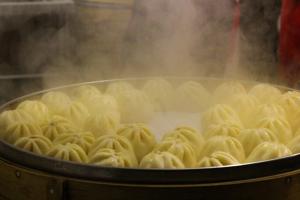
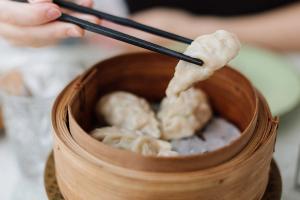
Momos
Steamed dumplings found everywhere from street stalls to contemporary cafes across Thimphu.

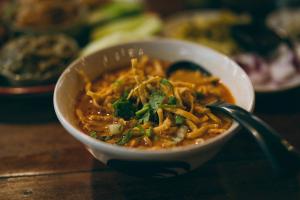
Thukpa
Hot noodle soup with vegetables and meat, ideal for cold evenings at high elevation.

Ezay and Red Rice
Nutty Bhutanese red rice paired with vivid chili condiments, balancing smoke, height, and grain sweetness.

Suja (Butter Tea)
The capital's everyday tea ritual: salted, fatty, and restorative in mountain weather.
The Memories
Journeys are measured in moments — in quiet mornings, shared laughter, unfamiliar streets, and the subtle realization that you’ve stepped outside your usual rhythm. Travelers immersed themselves fully, discovering experiences that lingered long after the journey itself had ended.
What stayed with me was the confidence to leave space. Nothing in Bhutan felt over-programmed, which made the monasteries, conversations, and silences land much more deeply.

Letters from the East
Frequently Asked Questions
What is the best time to visit this destination?
The best time depends on the kind of trip you want. Some travelers prioritize easier weather and smoother movement, while others are happy to trade that for quieter periods or a more atmospheric landscape.
How many days should I spend here?
For most travelers, two to four nights is enough to get a meaningful feel for a destination. A longer stay makes more sense if the place rewards slower pacing, deeper cultural context, or a more immersive hotel experience.
Is this a good destination for families?
Often yes, but it depends on the children’s ages and the family’s travel style. Some destinations work best for slower, experience-led trips, while others are easier if you need short transfers and more built-in convenience.
How do we start planning?
The process usually starts with a conversation about where you want to go, how you like to travel, and what kind of experience you want the journey to leave you with. From there, the itinerary is shaped around fit, pace, and priorities.