
Shanghai
- China
- 1 itinerary

The Future is Now
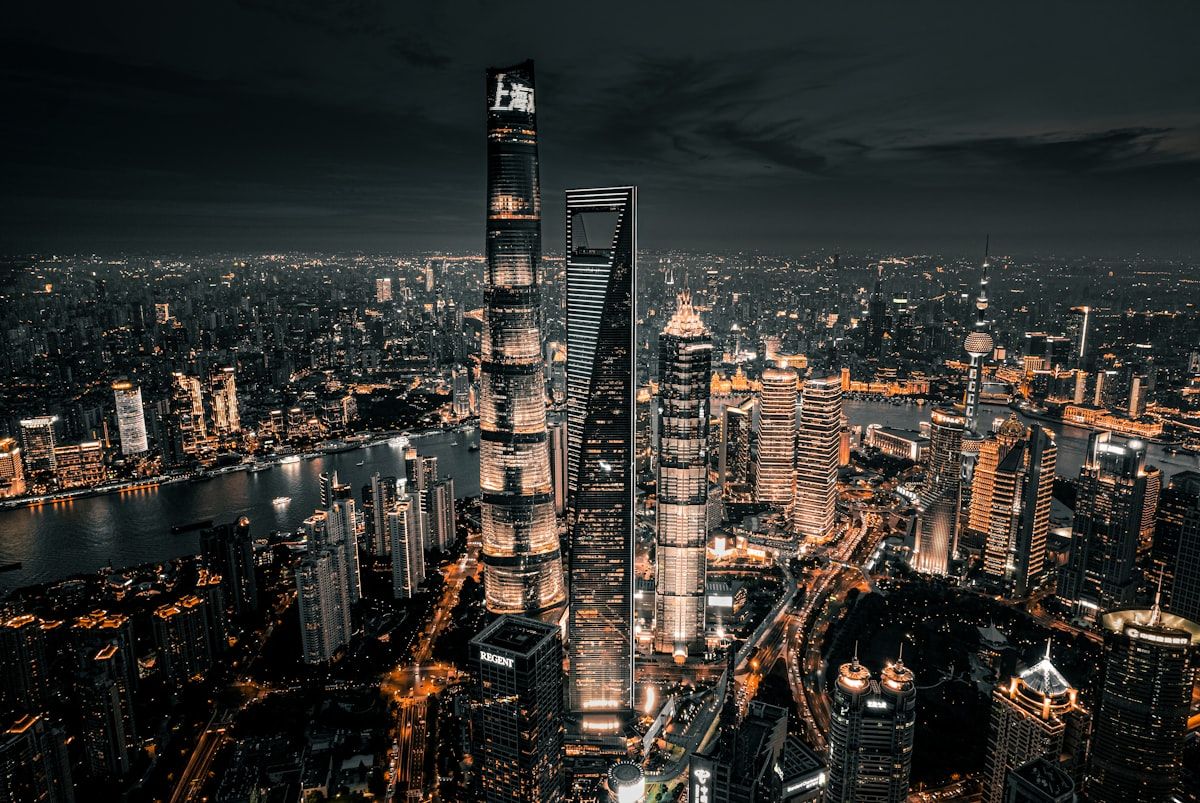
A neon-lit hyper-metropolis where Art Deco history meets futuristic skyscrapers. Shanghai is the electric pulse of modern China, a city that has transformed from a fishing village to a global financial hub in lightning speed.
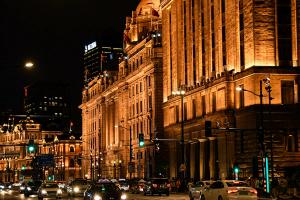
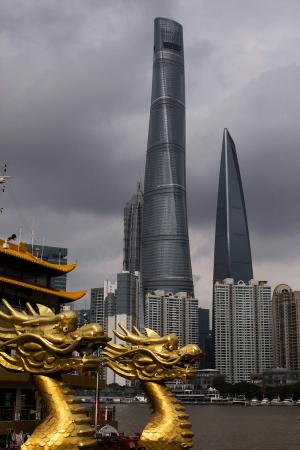
It is a city of contrasts: the colonial grandeur of the Bund faces off across the river against the sci-fi skyline of Lujiazui. Tree-lined avenues in the French Concession hide hip cafes, while traditional Shikumen lanes are dwarfed by towering office blocks.
Curated Perspectives
True luxury lies in the meaning we find beneath the surface. Our curators identify the essential threads that weave a location’s identity, providing a structured framework for your exploration. We don’t just show you a place; we reveal the themes that define its soul.
Art & Architecture
Culinary
History
The Sights
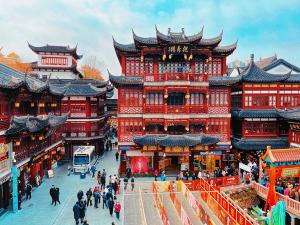
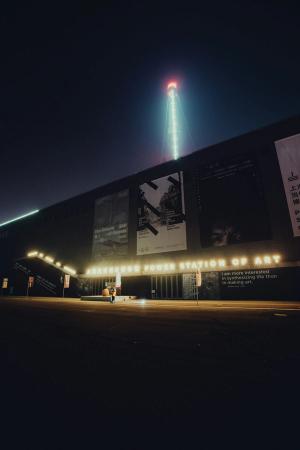
The iconic silhouettes that anchor the local horizon.
The Moments
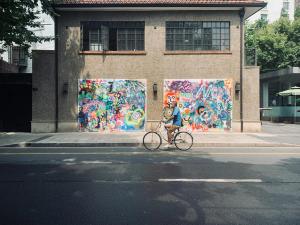
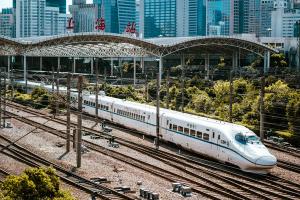
The unscripted grace found in the rituals of the everyday.
The Flavors
An aromatic heritage told through ancestral culinary craft.

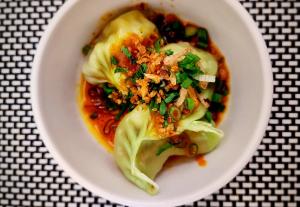
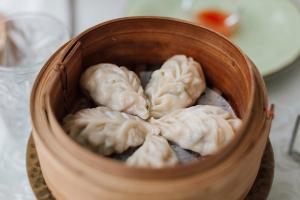
Xiao Long Bao
Shanghai's iconic soup dumplings with delicate skins and rich savory broth centers.

Sheng Jian Bao
Pan-fried buns with crisp bottoms, juicy pork filling, and sesame-scallion finish.

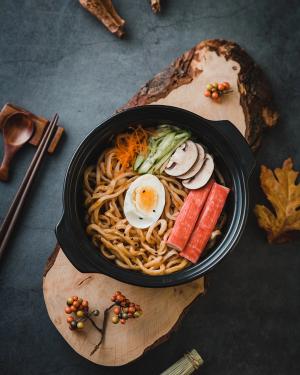
Cong You Ban Mian
Scallion oil noodles balancing sweetness and umami in one of the city's simplest classics.

Hong Shao Rou
Red-braised pork belly with glossy soy-caramel depth, often associated with old Shanghainese home cooking.

Drunken Chicken
Chilled chicken marinated in Shaoxing wine with aromatics, delicate and fragrant.

Hairy Crab Season Plates
Autumn specialty prized for roe and sweet meat, central to premium seasonal dining in Shanghai.
Letters from the East




Frequently Asked Questions
What is the best time to visit this destination?
The best time depends on the kind of trip you want. Some travelers prioritize easier weather and smoother movement, while others are happy to trade that for quieter periods or a more atmospheric landscape.
How many days should I spend here?
For most travelers, two to four nights is enough to get a meaningful feel for a destination. A longer stay makes more sense if the place rewards slower pacing, deeper cultural context, or a more immersive hotel experience.
Is this a good destination for families?
Often yes, but it depends on the children’s ages and the family’s travel style. Some destinations work best for slower, experience-led trips, while others are easier if you need short transfers and more built-in convenience.
How do we start planning?
The process usually starts with a conversation about where you want to go, how you like to travel, and what kind of experience you want the journey to leave you with. From there, the itinerary is shaped around fit, pace, and priorities.