
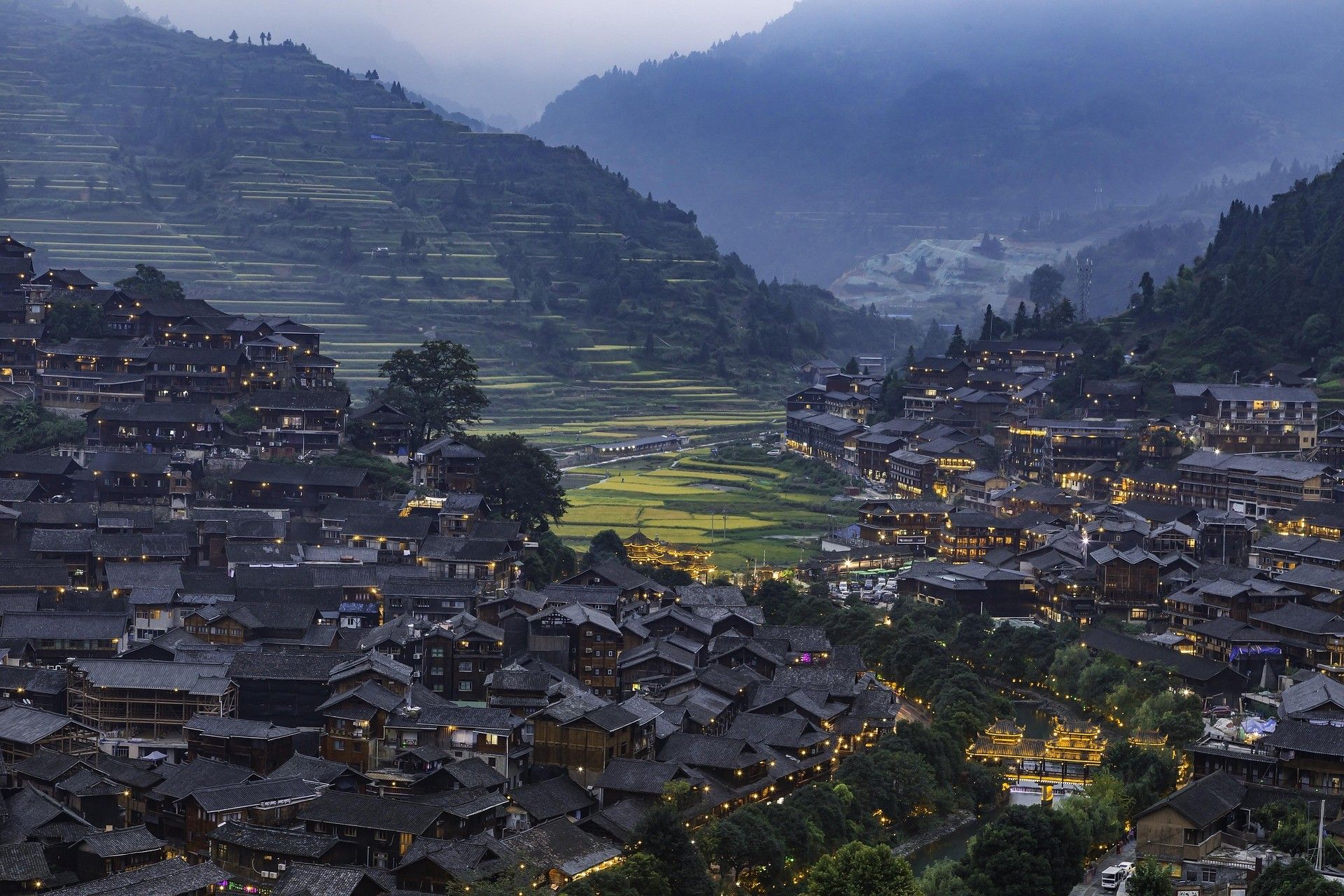
Guilin
- China
- 1 itinerary

The Ink Painting Landscape
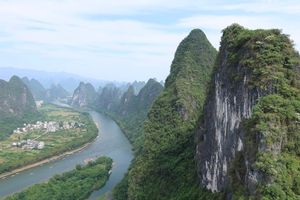
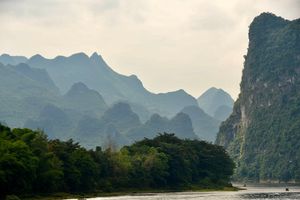
The landscape that inspired a thousand poems. Guilin is a world of mist-shrouded karst peaks, emerald rivers, and rural tranquility that looks like a traditional Chinese ink painting brought to life. An ancient saying claims, 'Guilin's scenery is the best under heaven.'
From the bustling city center to the serene villages of Yangshuo, the region is defined by these limestone towers that erupt from the flat plains. It is a place for slow travel, bamboo rafting, and contemplating nature's artistry.
Curated Perspectives
True luxury lies in the meaning we find beneath the surface. Our curators identify the essential threads that weave a location’s identity, providing a structured framework for your exploration. We don’t just show you a place; we reveal the themes that define its soul.
Nature & Wildlife
Art & Architecture
The Sights
The iconic silhouettes that anchor the local horizon.
The Moments
The unscripted grace found in the rituals of the everyday.
The Flavors
An aromatic heritage told through ancestral culinary craft.

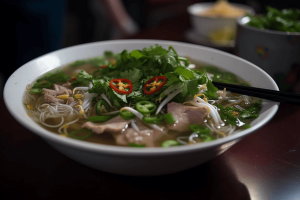
Guilin Rice Noodles
The region's defining breakfast with silky noodles, pickled vegetables, and aromatic toppings.

Yangshuo Beer Fish
River fish braised with local beer, tomato, and chilies, a hallmark dish of the Guilin-Yangshuo corridor.

Stuffed River Snails
Snail shells filled with minced pork and herbs, simmered in fragrant broth.

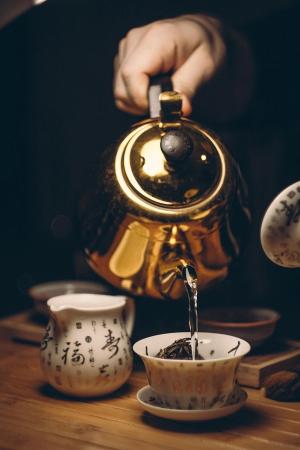
Oil Tea
Savory tea pounded with ginger and aromatics, served warm with crunchy additions.

Bamboo Rice
Glutinous rice steamed in bamboo tubes, carrying gentle woodsy aroma.

Lipu Taro Pork
Layered pork and taro dish known in Guangxi banquet traditions for richness and texture.
The Memories
Journeys are measured in moments — in quiet mornings, shared laughter, unfamiliar streets, and the subtle realization that you’ve stepped outside your usual rhythm. Travelers immersed themselves fully, discovering experiences that lingered long after the journey itself had ended.
We travel often enough to know when an itinerary has real discernment behind it. In Guilin especially, the timing and point of view made the difference between seeing something beautiful and actually feeling it.

As photographers, we notice when a trip has been built around logistics instead of instinct. This one felt shaped by someone who knew exactly when to move, when to pause, and what was worth our attention.

Letters from the East
Frequently Asked Questions
What is the best time to visit this destination?
The best time depends on the kind of trip you want. Some travelers prioritize easier weather and smoother movement, while others are happy to trade that for quieter periods or a more atmospheric landscape.
How many days should I spend here?
For most travelers, two to four nights is enough to get a meaningful feel for a destination. A longer stay makes more sense if the place rewards slower pacing, deeper cultural context, or a more immersive hotel experience.
Is this a good destination for families?
Often yes, but it depends on the children’s ages and the family’s travel style. Some destinations work best for slower, experience-led trips, while others are easier if you need short transfers and more built-in convenience.
How do we start planning?
The process usually starts with a conversation about where you want to go, how you like to travel, and what kind of experience you want the journey to leave you with. From there, the itinerary is shaped around fit, pace, and priorities.